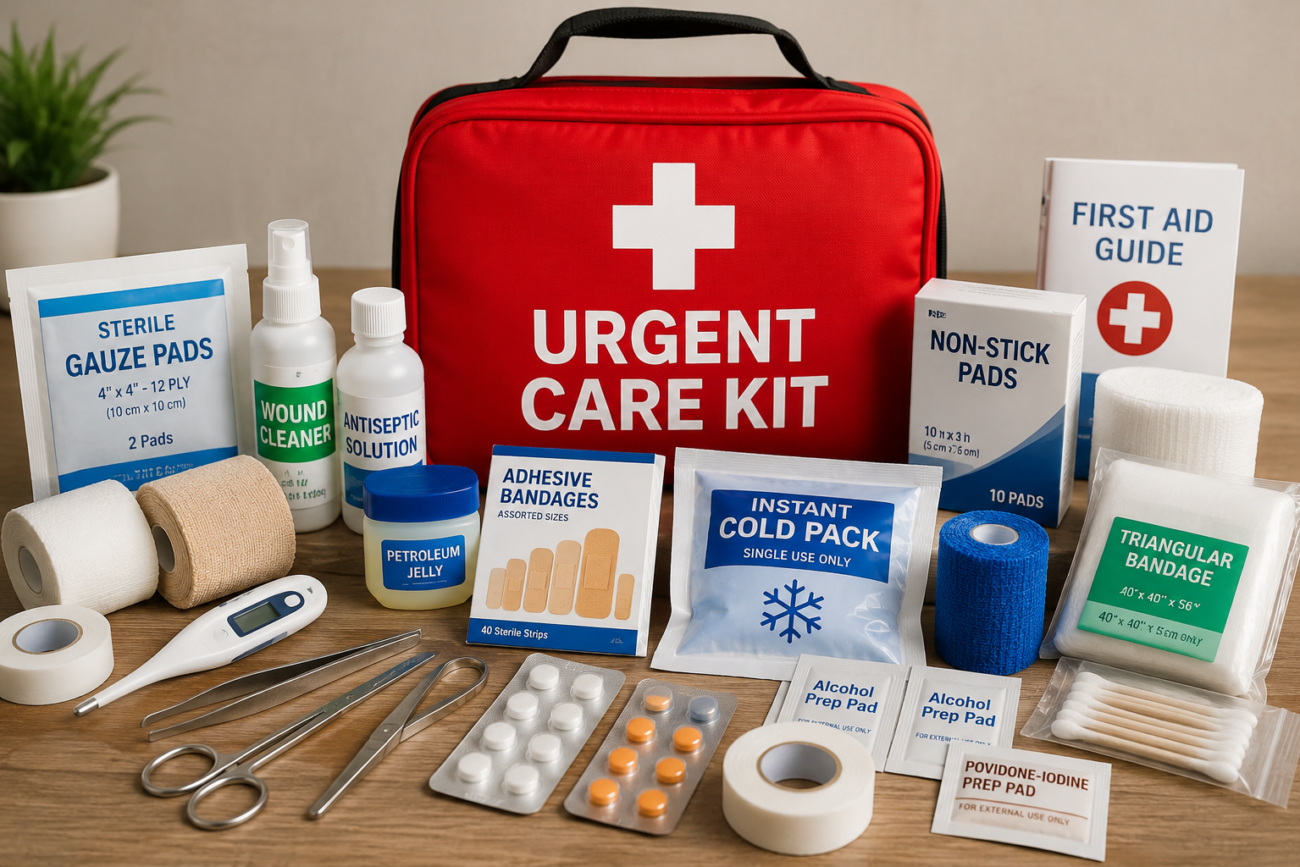
Understanding the Purpose of an Urgent Care Kit
An urgent care kit is a carefully organized collection of medical supplies and essential health items designed to help individuals respond quickly to minor injuries, common illnesses, and unexpected health situations before professional medical care is available.
Unlike a standard first aid kit that primarily focuses on treating cuts, scrapes, burns, and similar injuries, an urgent care kit often contains a wider range of equipment and supplies that can assist with managing symptoms, monitoring health, and providing temporary care until a healthcare provider can be consulted.
Why Every Household Should Have an Urgent Care Kit
Medical emergencies rarely happen at convenient times. Children may fall while playing, adults may experience sudden headaches or allergic reactions, and older family members might require immediate attention for minor health concerns. An urgent care kit allows families to respond quickly while determining whether professional treatment is necessary.
Even when urgent care clinics or hospitals are nearby, having immediate access to medical supplies can make a meaningful difference in comfort and safety. Families with young children, elderly relatives, or individuals living with chronic conditions often benefit the most because they encounter situations where prompt care is especially important.
Essential Medical Supplies to Include
Every urgent care kit should begin with basic wound care materials. Adhesive bandages in multiple sizes help protect small cuts and abrasions from dirt and bacteria. Sterile gauze pads and medical tape are useful for covering larger wounds, while elastic compression bandages provide support for sprains and minor muscle injuries.
Antiseptic wipes and wound cleansing solutions assist in cleaning injuries before dressings are applied. Disposable gloves reduce the risk of contamination while caring for another person. Small scissors, tweezers, and safety pins are practical tools that often become necessary during treatment.
Common Over-the-Counter Medications
An effective urgent care kit often includes commonly used non-prescription medications that can temporarily relieve symptoms until further evaluation becomes available. Pain relievers such as acetaminophen or ibuprofen may help reduce fever, headaches, muscle pain, and minor injuries when used according to package directions.
Antihistamines are useful for managing mild allergic reactions, insect bites, or seasonal allergy symptoms. Antacid tablets may relieve occasional heartburn or indigestion, while anti-diarrheal medications can be valuable during travel or sudden stomach illnesses. Oral rehydration packets help restore fluids and electrolytes during dehydration caused by vomiting or diarrhea.
Items for Monitoring Health Conditions
Beyond treatment supplies, an urgent care kit should include equipment that helps monitor important health information. A digital thermometer provides fast temperature readings that assist in determining whether a fever is present. A blood pressure monitor may be particularly valuable for individuals with hypertension or cardiovascular conditions.
A pulse oximeter measures oxygen saturation and heart rate, offering useful information when respiratory symptoms develop. Individuals living with diabetes may include glucose testing supplies or continuous glucose monitor accessories according to their healthcare provider’s recommendations. These monitoring devices help families communicate accurate information when contacting healthcare professionals.
Preparing for Minor Injuries
Everyday activities can lead to unexpected injuries ranging from scraped knees to kitchen burns. A well-equipped urgent care kit makes it easier to respond immediately. Minor cuts should be cleaned gently before being covered with sterile dressings. Small burns benefit from cool running water followed by appropriate burn dressings if available.
Sprains often respond well to rest, compression, elevation, and cold therapy during the first day after injury. Having these supplies readily available encourages prompt treatment while reducing discomfort. Individuals should also understand when injuries require medical evaluation, such as deep wounds, uncontrolled bleeding, suspected fractures, or burns involving large areas of the body.
Managing Common Illnesses at Home
Many everyday illnesses begin with mild symptoms that can initially be managed through supportive care. Fever, sore throat, seasonal allergies, mild stomach upset, and common colds frequently improve with rest, hydration, and appropriate symptom relief. An urgent care kit supports home care by providing thermometers, hydration supplies, tissues, medications, and other helpful items.
Monitoring symptoms carefully is important because worsening illness may require professional evaluation. Persistent high fever, severe pain, breathing difficulty, dehydration, or confusion should never be ignored. The goal of an urgent care kit is not to replace medical care but to support safe management while appropriate decisions are made.
Special Considerations for Children
Families with children should adapt their urgent care kit to meet pediatric needs. Child-sized adhesive bandages, pediatric fever reducers, dosing syringes, and age-appropriate thermometers are valuable additions. Parents should always use medications specifically formulated for children and follow dosing instructions based on age and weight.
Emergency contact information for pediatricians and poison control services should also be easily accessible. Children often experience bumps, bruises, minor fevers, and insect bites, making preparation especially valuable. Regularly reviewing supplies ensures everything remains suitable as children grow.
Supporting Older Adults
Older adults may require additional items within an urgent care kit because they often manage chronic medical conditions. Extra prescription medications, mobility aids such as supportive wraps, spare eyeglasses, hearing aid batteries, and updated medication lists can prove extremely helpful during emergencies.
Blood pressure monitors, glucose testing supplies, and emergency contact cards become increasingly important as health needs become more complex. Organizing medications clearly reduces confusion and supports caregivers when.
Travel-Friendly Urgent Care Kits
Travel introduces unique health challenges, including motion sickness, food-related illnesses, insect bites, blisters, and minor injuries. A compact urgent care kit allows travelers to respond quickly without searching unfamiliar stores or pharmacies. Travel versions often include adhesive bandages, antiseptic wipes, pain relievers, allergy medications, hand sanitizer, sunscreen, insect repellent, oral rehydration salts, blister treatments, and personal prescription medications. International travelers should also research destination-specific health recommendations before departure and ensure prescription medications remain in their original labeled containers.
Workplace Preparedness
Employees spend a significant portion of their day at work, making workplace preparedness equally important. Many employers maintain first aid supplies, but personal urgent care kits can supplement these resources.
Individuals with allergies, asthma, diabetes, or migraines may benefit from carrying personal medications alongside basic wound care items. Knowing the location of workplace emergency equipment and understanding emergency procedures enhances overall safety for everyone in the organization.
Organizing Your Urgent Care Kit Effectively
Proper organization improves efficiency during stressful situations. Supplies should be grouped by category, such as wound care, medications, monitoring devices, and protective equipment. Clear labels help users quickly identify needed items.
Transparent containers or divided storage compartments make it easier to maintain order and notice when supplies require replacement. Keeping instruction cards inside the kit provides quick reminders for family members who may be unfamiliar with certain equipment.
Regular Maintenance and Inspection
Building an urgent care kit is only the beginning. Regular inspections help ensure supplies remain usable when emergencies occur. Medications should be checked for expiration dates every few months, and damaged packaging should be replaced immediately.
Batteries inside electronic devices such as thermometers or flashlights should be tested periodically. Used supplies should always be replenished promptly so the kit remains fully stocked. Scheduling inspections at the beginning of each season makes maintenance easier to remember.
Knowing When Professional Medical Care Is Necessary
While an urgent care kit supports initial treatment, it cannot replace professional healthcare services. Severe chest pain, difficulty breathing, heavy bleeding, loss of consciousness, sudden weakness, seizures, severe allergic reactions, and significant head injuries require immediate emergency evaluation.
Likewise, persistent symptoms that fail to improve despite supportive care should be assessed by qualified healthcare professionals. Understanding these limitations helps individuals make informed decisions during stressful situations.
Final Thoughts
An urgent care kit represents a practical investment in family preparedness, personal safety, and everyday peace of mind. By combining quality medical supplies, essential medications, health monitoring equipment, and personalized emergency information, individuals can respond confidently to many common health situations while recognizing when professional medical attention is required.
Routine maintenance, thoughtful organization, and basic knowledge of first aid further increase the kit’s usefulness. Whether stored at home, carried while traveling, or kept in the workplace, an urgent care kit helps ensure that essential resources are always available when unexpected medical needs arise, supporting quicker responses and promoting better outcomes during life’s everyday emergencies.
You May Also Read: Erikkapost Com
