Understanding Ceiling Fan Direction: Why It Matters
The ceiling fan direction is a feature often overlooked by homeowners, yet it plays a crucial role in maximizing comfort and energy efficiency throughout the year. Ceiling fans are not just decorative fixtures; they influence the airflow in a room, helping to regulate temperature, reduce energy costs, and create a more comfortable environment. Knowing how to correctly adjust your ceiling fan direction can make a significant difference in both summer and winter months.
The Basics of Ceiling Fan Direction
A standard ceiling fan can rotate in two directions: clockwise and counterclockwise. The direction you choose affects the way air moves in the room. Most ceiling fans come with a small switch on the motor housing that allows you to change the ceiling fan easily. Understanding which direction is suitable for a particular season is essential to fully leverage your fans’ capabilities.
Ceiling Fan Direction in Summer
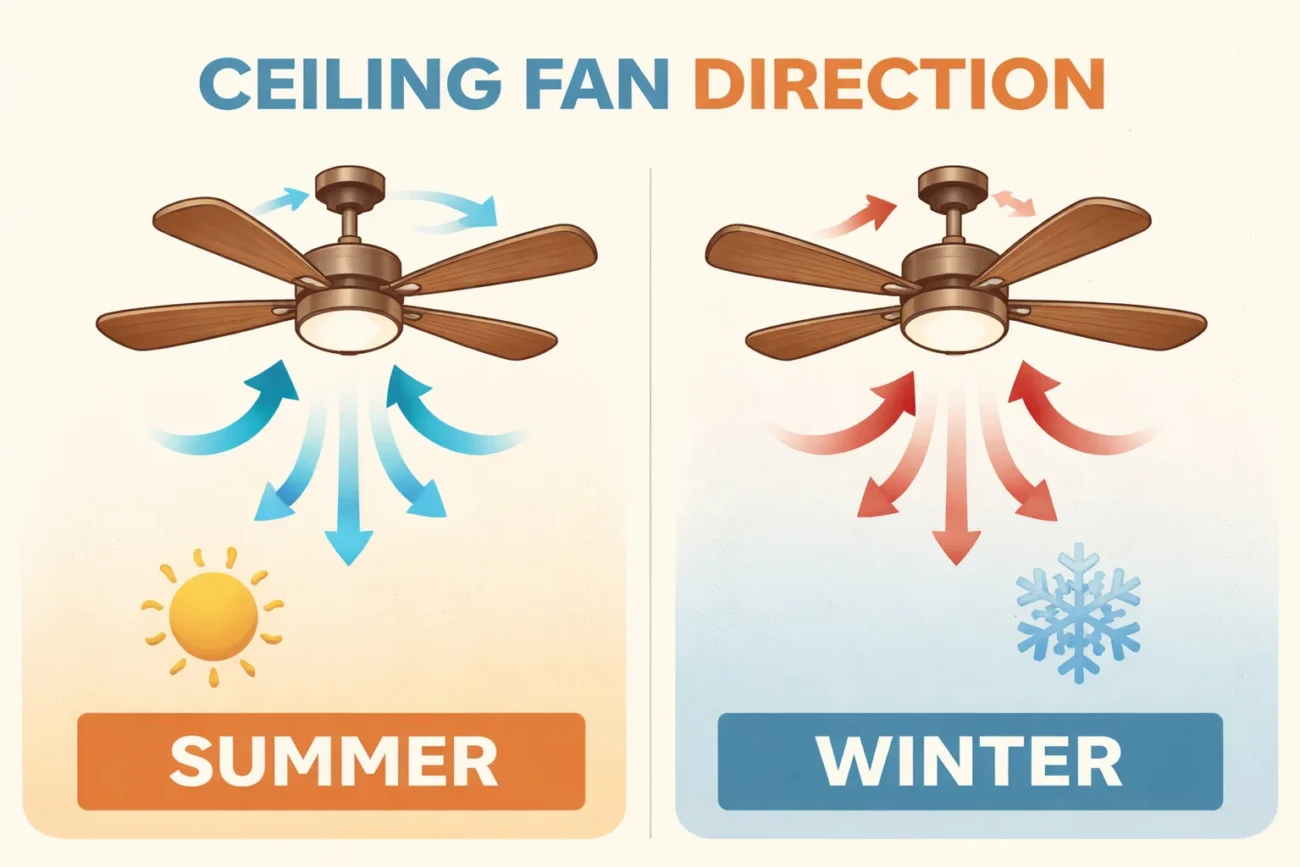
During the hot summer months, the ideal ceiling fan direction is counterclockwise. When a fan rotates counterclockwise, the blades push air downward, creating a wind-chill effect. This downward airflow helps to evaporate sweat from your skin, making you feel cooler even if the room temperature remains the same. By running the fan in this direction, you can set your thermostat a few degrees higher and still stay comfortable, which reduces energy bills significantly.
Ceiling Fan Direction in Winter
In contrast, during the winter months, the recommended ceiling fan direction is clockwise at a low speed. When rotating clockwise, the blades pull air upward, causing warm air that naturally rises to the ceiling to be redistributed along the walls and down into the living space. This gentle circulation helps to eliminate cold spots and maintain an even temperature in the room. Using the ceiling fan appropriately in winter can reduce the workload on your heating system and save on energy costs.
How to Change Ceiling Fan Direction
Changing the ceiling fan is a straightforward process. Most modern ceiling fans have a small switch located near the motor, often on the side of the fan housing. By flipping this switch, you can reverse the direction of the blades. Some fans may even have remote controls with a button dedicated to adjusting the ceiling fan direction. Always ensure the fan is turned off before changing its direction to prevent any accidents or damage to the motor.
Ceiling Fan Direction and Room Layout
The effectiveness of your fan’s airflow also depends on the layout of the room. When adjusting the ceiling fan, consider the placement of furniture and other obstructions. In larger rooms, a fan may need to be complemented with additional fans or portable units to achieve optimal air circulation. Ensuring unobstructed airflow will allow the fan to distribute air evenly, enhancing the benefits of the chosen ceiling fan direction.
Energy Efficiency and Ceiling Fan Direction
Proper use of ceiling fan direction can lead to significant energy savings. By utilizing the fan to create the wind-chill effect in summer or circulate warm air in winter, homeowners can rely less on heating and cooling systems. The Department of Energy estimates that using ceiling fans strategically can save up to 40% on cooling costs during summer months. The right ceiling fan is a small adjustment with a substantial impact on your energy bill.
Ceiling Fan Direction and Health Benefits
Beyond comfort and energy savings, the ceiling fan direction can influence health and well-being. Proper airflow helps reduce stagnant air, which can accumulate dust, allergens, and humidity. In summer, a counterclockwise fan improves ventilation, keeping air fresh and potentially reducing allergy symptoms.
In winter, a clockwise fan gently circulates warm air, preventing cold drafts that can cause respiratory discomfort or exacerbate conditions like asthma. By paying attention to the ceiling fan, homeowners can create a healthier indoor environment year-round.
Ceiling Fan Direction for Smart Home Integration
Modern smart fans allow homeowners to program ceiling fan direction changes automatically according to season or room usage. These fans can detect temperature fluctuations and adjust blade rotation and speed for optimal comfort and efficiency. Integration with home automation systems means that the fan direction can change even when you are away, ensuring that your home remains energy-efficient and comfortable at all times. The smart approach to ceiling fans eliminates the need for manual adjustments and maximizes the fan’s functionality.
Ceiling Fan Direction Myths Debunked
Several myths surround ceiling fan direction that can lead to misuse:
-
Myth 1: Fans cool rooms directly by lowering the temperature. Reality: Fans only create a wind-chill effect; they do not actually reduce room temperature. Correct ceiling fan direction is essential to maximize this effect.
-
Myth 2: Fan direction doesn’t matter in winter. Reality: Running a fan counterclockwise in winter can make rooms feel colder instead of warmer.
-
Myth 3: High-speed fans are always better. Reality: The speed should match the season. Clockwise low-speed rotation in winter is more effective than full-speed rotation.
Understanding these myths ensures that your ceiling fan is used correctly, improving comfort and efficiency.
Choosing the Right Fan Blade Pitch
Another important factor related to the ceiling fan is the blade pitch. The pitch refers to the angle of the fan blades, which affects how much air is moved. Fans with a steeper blade pitch (12–15 degrees) move more air and enhance the effect of the correct ceiling fan direction. Conversely, fans with a shallow blade pitch may require higher speeds to achieve similar cooling or warming effects. Understanding the relationship between blade pitch and fan direction can help homeowners make more informed decisions when installing or replacing a fan.
Ceiling Fan Direction and Comfort
The correct ceiling fan direction improves overall comfort in a room. In summer, a counterclockwise fan creates a refreshing breeze that reduces the perception of heat. In winter, a clockwise fan gently circulates warm air, reducing the feeling of cold near floors and windows. Adjusting your fan direction according to the season ensures that every part of the room is comfortable, which can improve productivity, sleep quality, and general well-being.
Ceiling Fan Direction and Noise
Fan noise is another consideration when adjusting ceiling fan direction. While most fans operate quietly, running a fan at high speed in the wrong direction can create unnecessary turbulence and noise. Properly setting the ceiling fan for each season not only maximizes airflow but also ensures the fan operates smoothly and quietly, which is especially important in bedrooms and study areas.
Safety Considerations with Ceiling Fan Direction
Safety should never be overlooked when adjusting ceiling fan direction. Always ensure the fan is turned off before flipping the direction switch, and avoid standing directly under the blades while making adjustments. Regular maintenance, such as tightening screws and cleaning the blades, ensures the fan functions safely and efficiently. Choosing the proper ceiling fan can prevent accidents and prolong the life of your fan.
Ceiling Fan Direction for Energy Savings
Beyond comfort, the ceiling fan direction directly affects energy consumption. Running a fan in the wrong direction can counteract heating or cooling efforts, making your HVAC system work harder. By correctly using the ceiling fan, homeowners can reduce energy consumption, lower utility bills, and contribute to environmentally friendly living. This small seasonal adjustment has a long-term impact on both finances and sustainability.
Modern Technology and Ceiling Fan Direction
Many modern ceiling fans come with advanced features, including automatic directional settings. Smart fans can detect room temperature and adjust the ceiling fan direction accordingly, eliminating the need for manual changes. Some even integrate with home automation systems, allowing users to set schedules based on the time of year or occupancy. Leveraging technology ensures that the benefits of a proper ceiling fan are always optimized.
Common Mistakes with Ceiling Fan Direction
Despite its importance, homeowners often make mistakes regarding ceiling fan direction. A common error is leaving the fan running counterclockwise in winter, which can create a chilling effect instead of circulating warm air. Similarly, running the fan clockwise in summer reduces the cooling benefits. Another mistake is ignoring the fan’s speed setting, as improper speed can diminish the effect of the chosen ceiling fan. Awareness of these pitfalls ensures maximum comfort and efficiency.
Seasonal Checklist for Ceiling Fan Direction
To simplify adjustments, homeowners can follow a seasonal checklist for ceiling fan direction:
-
Summer: Set the fan to counterclockwise at medium to high speed. Ensure airflow is unobstructed and fans are running in rooms that are frequently used.
-
Winter: Switch the fan to clockwise at low speed. Focus on circulating warm air near walls and corners, reducing cold spots.
Following these simple steps guarantees that your ceiling fan is always optimized for the season.
Conclusion
Understanding and correctly setting your ceiling fan direction is a small but powerful adjustment that impacts comfort, energy efficiency, and overall home environment. Whether cooling in summer or redistributing warmth in winter, the direction your ceiling fan spins plays a key role in enhancing your living space.
Regularly checking and adjusting your ceiling fan, considering room layout, ceiling height, and fan blade pitch, ensures that you get the most out of your ceiling fan all year round. By making this simple seasonal adjustment, you can enjoy a more comfortable home while saving energy and reducing costs.
You May Also Read Here: Baltimore Ravens vs Cleveland Browns match player stats
