What Is a Privacy Screen Protector?
A privacy screen protector is a specialized layer of protection applied to electronic device screens—such as smartphones, tablets, laptops, and even desktop monitors—that not only safeguards against scratches, smudges, and minor impacts but also limits the viewing angle of the screen. Its primary purpose is to prevent unauthorized viewers from seeing the content on your screen, making it an essential accessory for those concerned about data privacy in public spaces.
This technology works like tiny blinds, ensuring that the display remains visible only to someone directly in front of it while appearing dark or blurred from side angles. The development of privacy screen protectors has been driven by the rising awareness of digital security, data privacy concerns, and the increased use of mobile devices in public areas like cafes, airports, and public transportation.
How Privacy Screen Protectors Work
The functionality of a privacy screen protector lies in its micro-louver technology. Micro-louvers are thin, vertical layers embedded within the screen protector, which control the direction of light emitted from the device display. Essentially, they narrow the viewing angle, usually between 30 and 60 degrees, depending on the quality and type of the protector. When someone tries to view your screen from the side, the light is blocked or scattered, making the content appear dark or invisible.
Meanwhile, the person directly in front of the device experiences the screen in its full clarity. Some advanced models also integrate anti-glare and anti-fingerprint coatings, enhancing both visual comfort and hygiene. This makes privacy screen protectors an effective dual-purpose accessory, combining screen security and improved visibility under bright lighting conditions.
Benefits of Using a Privacy Screen Protector
The adoption of a privacy screen protector comes with a wide range of advantages. Firstly, it significantly reduces the risk of sensitive information being exposed in public, which is crucial for professionals handling confidential data, such as corporate executives, healthcare workers, and financial advisors. Secondly, these protectors safeguard your device screen from scratches, dust, and minor drops, thereby extending the lifespan of your device.
Thirdly, many privacy screen protectors include blue-light filtering technology, which reduces eye strain during prolonged use. Another less obvious benefit is enhanced focus. When you know that side glances cannot compromise your privacy, you can work on your device more comfortably and confidently in crowded environments.
Types of Privacy Screen Protectors
There are several types of privacy screen protectors, each designed to meet specific user needs. The first type is the standard plastic or tempered glass privacy screen, which provides basic privacy and scratch protection. Tempered glass versions are more durable and offer a smoother touch experience, resembling the original screen. Another type is the anti-glare privacy screen protector, ideal for outdoor use, as it reduces reflections and enhances visibility under sunlight.
Some advanced models feature a two-way or four-way privacy design, controlling visibility from both horizontal and vertical angles, which is particularly useful for laptops used in shared workspaces. Additionally, there are removable and reusable versions that attach via static cling, allowing users to transfer them between devices easily.
Installing a Privacy Screen Protector
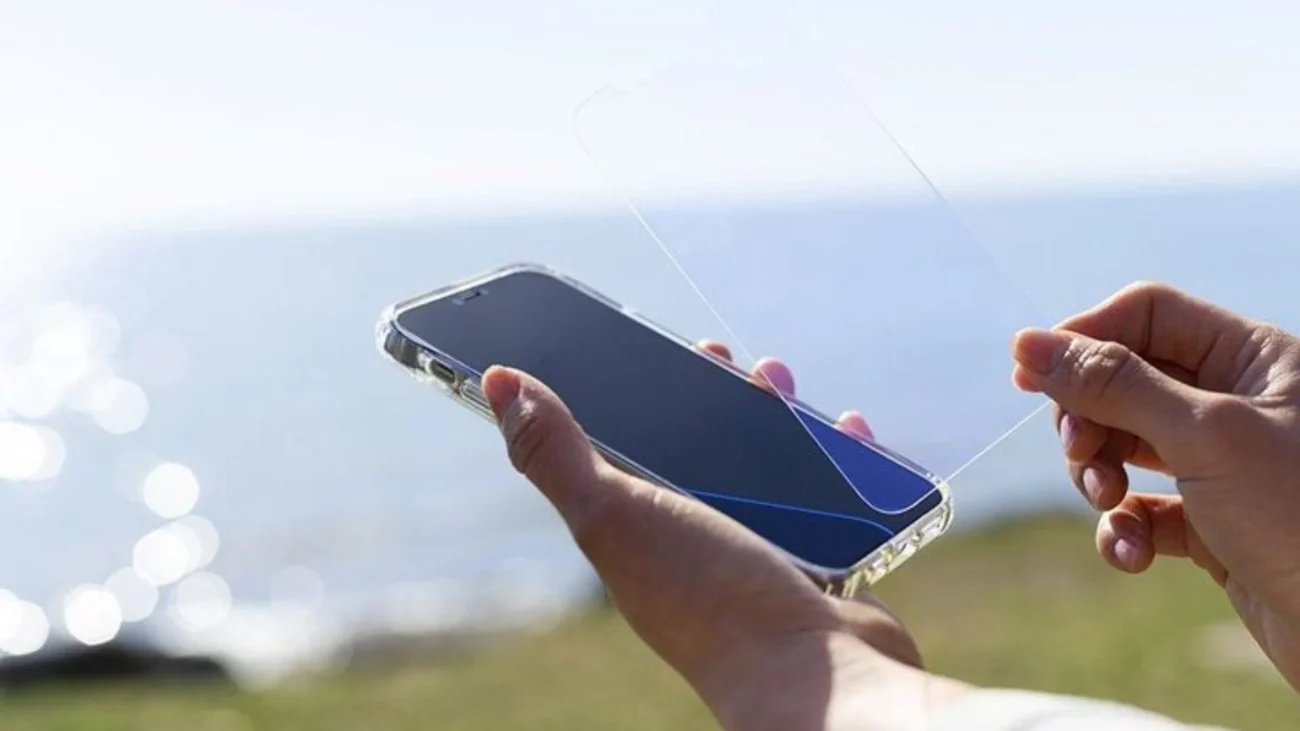
Installing a privacy screen protector is a straightforward process, but careful handling is essential to avoid bubbles and misalignment. Begin by thoroughly cleaning the device screen using a microfiber cloth and alcohol-based solution to remove any dust, oil, or fingerprints. Next, align the protector with the edges of your screen without peeling off the adhesive backing. Slowly peel off the protective layer and gently place the screen protector onto the device, starting from one edge to the other.
Use a credit card or a flat-edge tool to push out air bubbles, working from the center toward the edges. For reusable models, static cling ensures easy repositioning if the initial placement is slightly off. Proper installation ensures optimal privacy protection and a smooth, clear display experience, preventing distortions or reduced touch sensitivity.
Privacy Screen Protector for Smartphones
Smartphones are the most common devices targeted by privacy screen protectors due to their frequent use in public. A privacy screen protector for smartphones allows users to access sensitive information such as emails, banking apps, social media messages, and personal photos without worrying about prying eyes. Mobile devices are often used on commutes, in cafes, or during meetings, which exposes screens to the risk of shoulder surfing.
Many smartphone privacy screen protectors are designed to maintain touch sensitivity, ensuring that gestures and taps are unaffected. Additionally, some high-end models are compatible with fingerprint sensors and facial recognition technology, allowing users to maintain full functionality while enjoying privacy protection.
Privacy Screen Protector for Laptops
In professional environments, a privacy screen protector for laptops is highly valuable. Business executives, remote workers, and students often work in shared spaces where sensitive information can be inadvertently exposed. Privacy screen protectors for laptops usually offer a wider coverage area and may come in anti-glare or matte finishes to reduce reflection in bright environments.
They are also available in two-way or four-way privacy options, controlling visibility from both sides. Some laptop models use detachable magnetic privacy screens, making it easy to apply or remove the protector as needed. Beyond privacy, these protectors also protect against scratches, accidental spills, and dust accumulation, enhancing both security and durability.
Privacy Screen Protector for Tablets
Tablets, being larger than smartphones but still portable, benefit immensely from privacy screen protectors. Tablets are widely used for presentations, online learning, and personal entertainment, often in environments with multiple viewers nearby. A tablet privacy screen protector ensures that your content remains visible only to the intended user, whether it’s a student reviewing study material, a professional preparing a presentation, or a parent checking emails.
Many tablet privacy protectors also incorporate anti-glare and anti-smudge properties, which enhance readability and reduce fingerprint buildup. With the growing popularity of hybrid devices, privacy screen protectors for tablets offer an essential layer of protection for both personal and professional use.
Material and Durability Considerations
The material of a privacy screen protector plays a significant role in its durability and user experience. Most protectors are made of tempered glass or high-quality PET/TPU plastic. Tempered glass options provide superior scratch resistance, smooth touch sensitivity, and a feel closest to the original screen, whereas plastic protectors are lightweight, flexible, and often more affordable. Durability depends on the thickness of the protector and its resistance to cracks, impacts, and daily wear.
Some premium models include shatterproof layers, ensuring that if the screen protector breaks, it does not shatter into sharp fragments, offering added safety. Users should also consider the longevity of the privacy filter, as lower-quality protectors may lose their privacy effect over time due to scratches or micro-louver wear.
Anti-Glare and Blue-Light Filtering Features
Many modern privacy screen protectors come with additional features, such as anti-glare and blue-light filtering. Anti-glare coatings reduce reflections from sunlight or bright indoor lighting, making it easier to view the screen in various environments. Blue-light filtering, on the other hand, helps reduce eye strain and fatigue caused by prolonged exposure to high-energy visible light from device screens.
Combining privacy protection with these features creates a multifunctional accessory that not only secures sensitive information but also improves user comfort. This makes privacy screen protectors ideal for professionals, gamers, students, and anyone who spends extended periods using digital devices.
Choosing the Right Privacy Screen Protector
Selecting the right privacy screen protector requires careful consideration of several factors. First, consider the device type and screen size to ensure proper fit and coverage. Next, determine the level of privacy needed: standard two-way protection may suffice for casual use, while four-way privacy is ideal for high-security situations. Material preference is another consideration—tempered glass for a premium touch experience or PET plastic for lightweight flexibility.
Additional features, such as anti-glare, anti-fingerprint, and blue-light filtering, can enhance usability and comfort. Finally, brand reputation and customer reviews can provide insight into the durability, effectiveness, and installation ease of the chosen protector. Investing time in selecting the right product ensures maximum privacy, durability, and overall satisfaction.
Maintenance and Cleaning Tips
Maintaining a privacy screen protector is essential for longevity and optimal performance. Regular cleaning with a microfiber cloth and a gentle screen-safe solution prevents the buildup of fingerprints, dust, and oil. Avoid using abrasive materials or harsh chemicals, as they can damage the privacy filter and reduce its effectiveness.
For stubborn smudges, lightly dampen the cloth with water or a mixture of water and mild soap. Additionally, ensure that edges are free from dust or debris, as this can cause bubbles or lifting. Proper maintenance preserves both the privacy functionality and clarity of the screen, ensuring that the device remains secure and visually appealing.
Common Misconceptions About Privacy Screen Protectors
There are several common misconceptions surrounding privacy screen protectors. One is that they significantly reduce screen brightness, making it difficult to use the device. While lower-quality protectors may slightly affect brightness, most premium models are designed to maintain display clarity and color accuracy. Another misconception is that privacy screen protectors are only for professionals handling sensitive data.
In reality, they are useful for anyone concerned with privacy, including students, commuters, travelers, and casual users. Additionally, some users believe that privacy protection makes touch sensitivity worse. However, high-quality tempered glass or PET protectors are engineered to preserve smooth and responsive touch interactions.
Privacy Screen Protectors in the Digital Age
In today’s digital world, the use of privacy screen protectors is more relevant than ever. Cybersecurity threats, identity theft, and the increasing reliance on mobile and portable devices make safeguarding screen content a necessity. Privacy screen protectors offer a practical, low-cost solution that complements software security measures, ensuring that sensitive information is protected even when devices are used in public.
Their role extends beyond corporate use, as remote learning, mobile banking, telehealth, and public communication all involve exposure to potentially prying eyes. The adoption of privacy protectors reflects a proactive approach to data security, emphasizing physical privacy in addition to digital safeguards.
Conclusion
A privacy screen protector is an essential accessory for anyone seeking to protect sensitive information while maintaining device functionality. With its advanced micro-louver technology, it ensures that screen content is visible only to the user directly in front of the device. Beyond privacy, these protectors offer scratch resistance, anti-glare, and blue-light filtering, enhancing the overall user experience.
Available in various types, materials, and feature combinations, privacy screen protectors cater to a wide range of devices, including smartphones, tablets, and laptops. In a world increasingly dependent on digital communication, investing in a high-quality privacy screen protector is a practical and effective way to safeguard personal and professional information, ensuring peace of mind and device longevity.
You May Also Read Here: Astros vs Rangers
