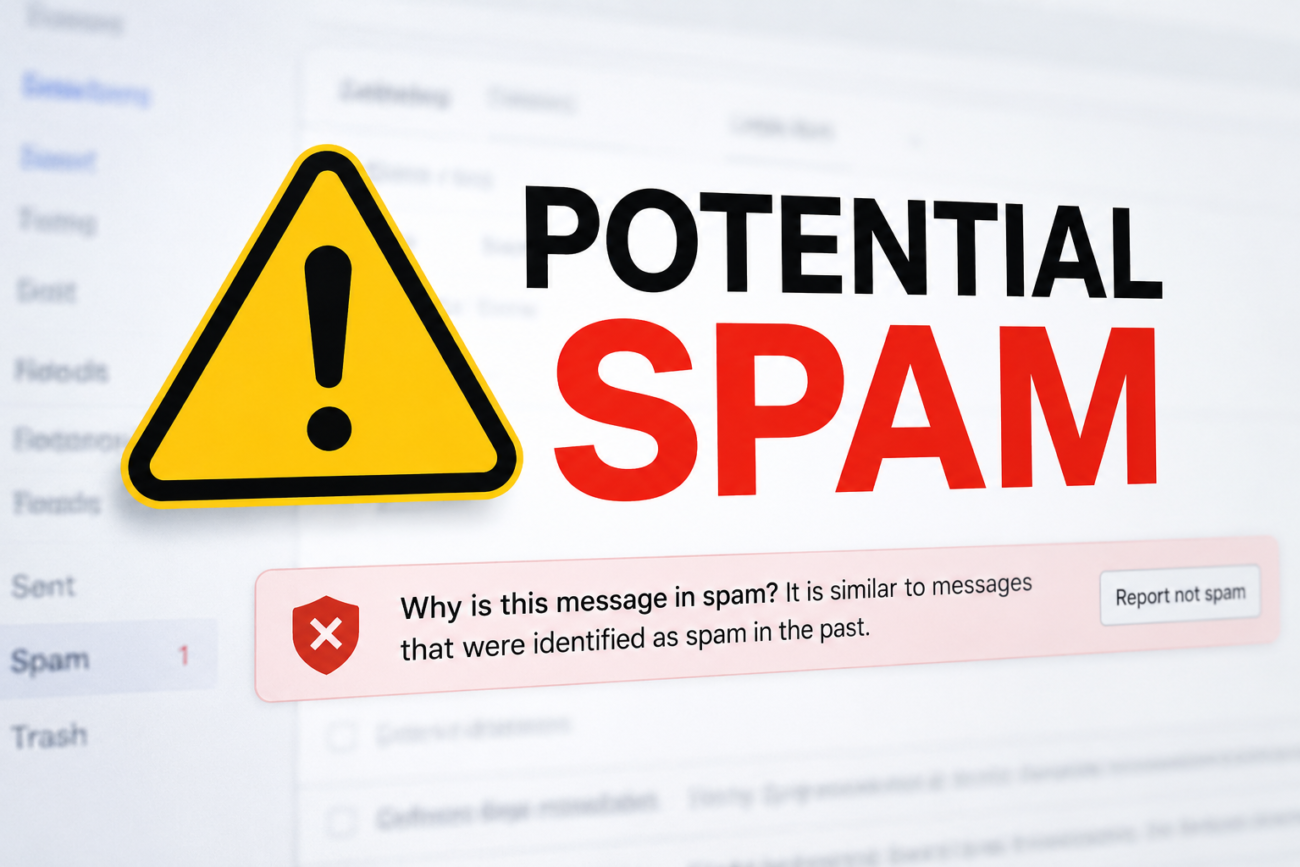
The term potential spam has become increasingly common in the digital world as businesses, website owners, email users, and online platforms continue to deal with unwanted, suspicious, or low-quality content. Whether you encounter a potential spam warning in your email inbox, comments section, search results, phone messages, or online accounts, the phrase generally indicates that a system has detected something that appears unusual or risky.
What Does Potential Spam Mean?
Potential spam refers to content, messages, websites, or activities that are suspected to be spam but have not been fully confirmed as harmful. The word “potential” means there is a possibility that the content is unwanted or dangerous, but there may not be enough evidence to classify it as definite spam. Many digital platforms use automated detection systems to identify suspicious behavior.
For example, an email provider may mark a message as potential spam because the sender has a low reputation, the email contains unusual links, or many users have reported similar messages. Social media platforms may use the same approach when detecting fake accounts, repetitive posts, or suspicious engagement activities.
Why Do Platforms Detect Potential Spam?
The internet contains billions of daily interactions, and not all of them are trustworthy. Spam creators often use automated tools to send large volumes of messages, publish low-quality content, or manipulate online systems. To protect users, platforms monitor different signals that may indicate suspicious activity.
Another reason is reputation. Email providers, search engines, and social platforms track the history of accounts, domains, and IP addresses. If a sender has previously been associated with spam complaints or suspicious activity, new content from that source may receive a potential spam warning.
Common Examples of Potential Spam
One common example is email spam. A message from an unknown sender offering unrealistic rewards, urgent financial opportunities, or requests for personal information may be marked as potential spam. Email providers analyze factors such as sender history, message structure, and user reports before applying warnings.
Another example is website comments. Many websites receive automated comments containing irrelevant text, promotional links, or keyword-stuffed messages. These comments are often created to gain backlinks or manipulate search rankings. Content management systems may automatically identify such comments as potential spam.
Potential Spam in Email Systems
Legitimate emails can sometimes be incorrectly classified. Businesses often experience this issue when sending newsletters, promotional campaigns, or important updates. A new company domain with limited email history may appear suspicious even if the messages are genuine.
To reduce the chances of legitimate emails being marked as potential spam, businesses should follow email best practices. These include using proper authentication methods, maintaining a clean subscriber list, avoiding misleading subject lines, and providing valuable content.
Potential Spam and SEO Practices
In the world of search engine optimization, potential spam is closely connected with website quality and backlink practices. Search engines continuously improve their ability to identify websites that attempt to manipulate rankings through artificial methods.
A website may be considered potentially spammy if it contains excessive low-quality backlinks, duplicate content, keyword stuffing, hidden text, or unnatural optimization techniques. These signals can reduce trust and negatively affect search visibility.
How Artificial Intelligence Helps Detect Potential Spam
Artificial intelligence has transformed the way platforms identify potential spam. Traditional spam filters relied heavily on simple rules, such as blocking specific keywords or suspicious email addresses. Modern systems use machine learning models that analyze complex patterns.
For example, an AI-based spam detection system can recognize when thousands of accounts suddenly share identical messages or when a website publishes large amounts of automatically generated content. This ability helps platforms respond faster to emerging spam techniques.
How to Identify Potential Spam Yourself
Although automated systems help detect spam, users should also develop awareness. Recognizing warning signs can prevent many online problems. One major warning sign is unexpected communication. If someone contacts you with an offer, request, or message that you were not expecting, it is important to verify the source before taking action.
Poor-quality writing can also be a clue. Many spam messages contain unusual grammar, excessive promotional language, unrealistic promises, or repeated phrases. While mistakes do not always mean spam, they can be a warning sign when combined with other factors. Users should also be careful with requests for sensitive information.
How to Prevent Potential Spam Issues
Preventing potential spam problems requires a combination of awareness, proper online habits, and the use of security tools. Whether you are an individual user, website owner, or business professional, taking preventive steps can reduce the chances of your content being flagged or your accounts being targeted.
For email users, one of the best prevention methods is maintaining careful control over subscriptions. Signing up for too many unknown newsletters or sharing an email address on unreliable websites can increase the amount of unwanted messages received. Using separate email addresses for personal communication, business activities, and online registrations can help manage spam more effectively.
The Difference Between Potential Spam and Confirmed Spam
Although the terms “potential spam” and “spam” are often used interchangeably, they have different meanings. Confirmed spam refers to content that has already been identified as unwanted, harmful, or violating platform rules. Potential spam, on the other hand, indicates uncertainty. A potential spam warning acts as an early protection mechanism.
It gives users and systems a chance to review the content before taking stronger action. This approach helps reduce false positives, where legitimate messages or websites are accidentally blocked. For example, a new business sending its first marketing email campaign may receive a potential spam warning because it has no established reputation.
Potential Spam in Website Comments and Online Communities
Online communities, blogs, and discussion platforms frequently face potential spam issues. Comment sections are especially vulnerable because spammers often use them to promote websites, products, or services. Spam comments usually contain unrelated messages, excessive links, promotional phrases, or automated text.
These comments can damage user experience and reduce the credibility of a website. Many website owners use moderation systems that automatically identify potential spam comments. These systems analyze factors such as comment content, user behavior, posting frequency, and link patterns.
Potential Spam and Social Media Platforms
Social media networks face significant challenges from potential spam activities. Millions of users interact daily, making it difficult to review every post, message, and account. Potential spam on social media can include fake profiles, automated messages, artificial engagement, misleading advertisements, and repeated promotional content.
Platforms use advanced algorithms to detect these patterns and limit harmful activities. One common example is fake follower activity. Some accounts attempt to increase popularity by purchasing followers or using automated tools. While these accounts may appear active, they often have low-quality engagement and can be identified by platform systems.
Potential Spam and Online Security Risks
Potential spam warnings should not be ignored because some spam activities are connected to serious security threats. Cybercriminals often use spam messages as a way to distribute malware, steal information, or trick users into revealing private details.
Phishing is one of the most common dangers associated with spam. In phishing attacks, criminals create messages that appear to come from trusted organizations. These messages often request users to click a link, verify an account, or provide sensitive information.
Conclusion
Potential spam is an important concept in today’s connected environment. It represents content, messages, or activities that may be unwanted or harmful but require additional evaluation before being classified as definite spam. From emails and social media messages to website comments and SEO practices, potential spam can appear in many different forms.
Understanding why systems detect it and learning how to respond properly can help users stay safe while maintaining a positive online presence. For individuals, awareness and caution are the best protection methods. For businesses and website owners, maintaining quality, trust, and ethical digital practices can reduce spam-related issues.
You May Also Read: LimeTorrents
